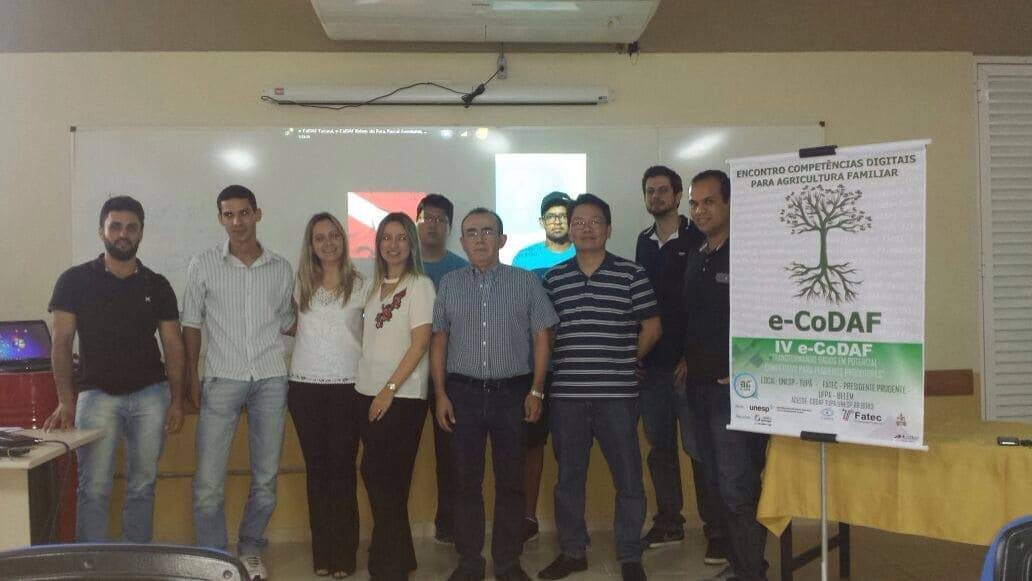
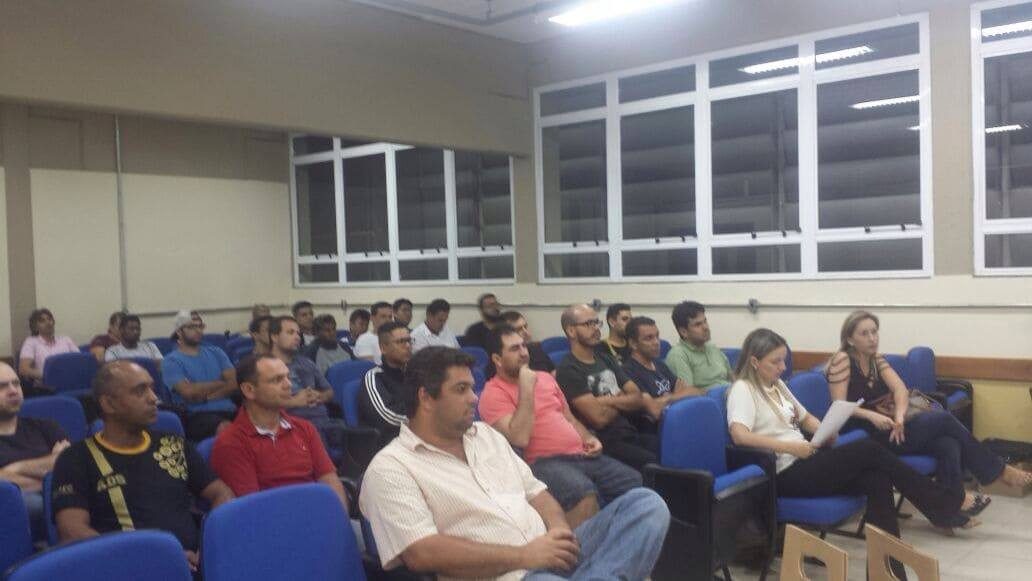
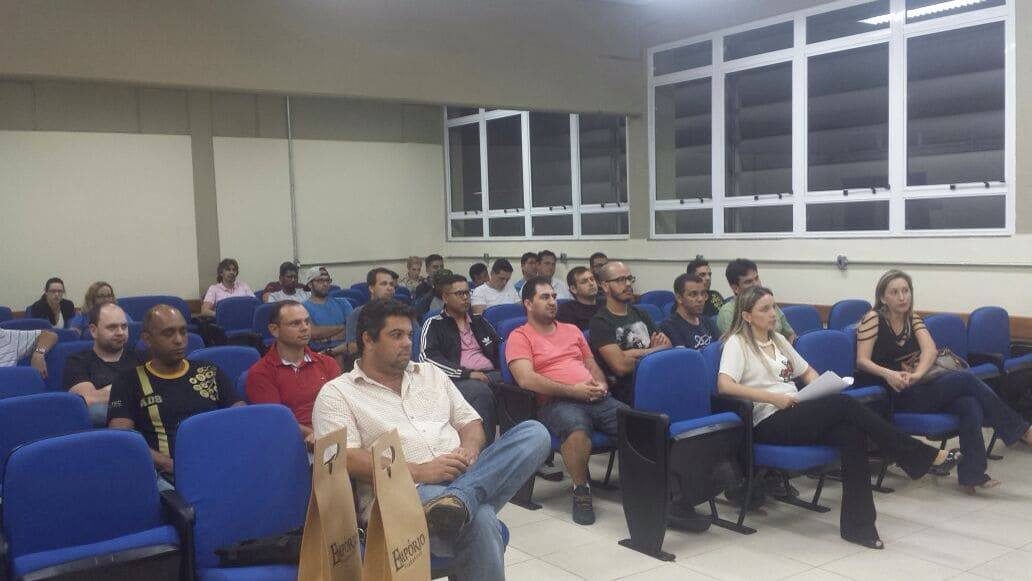
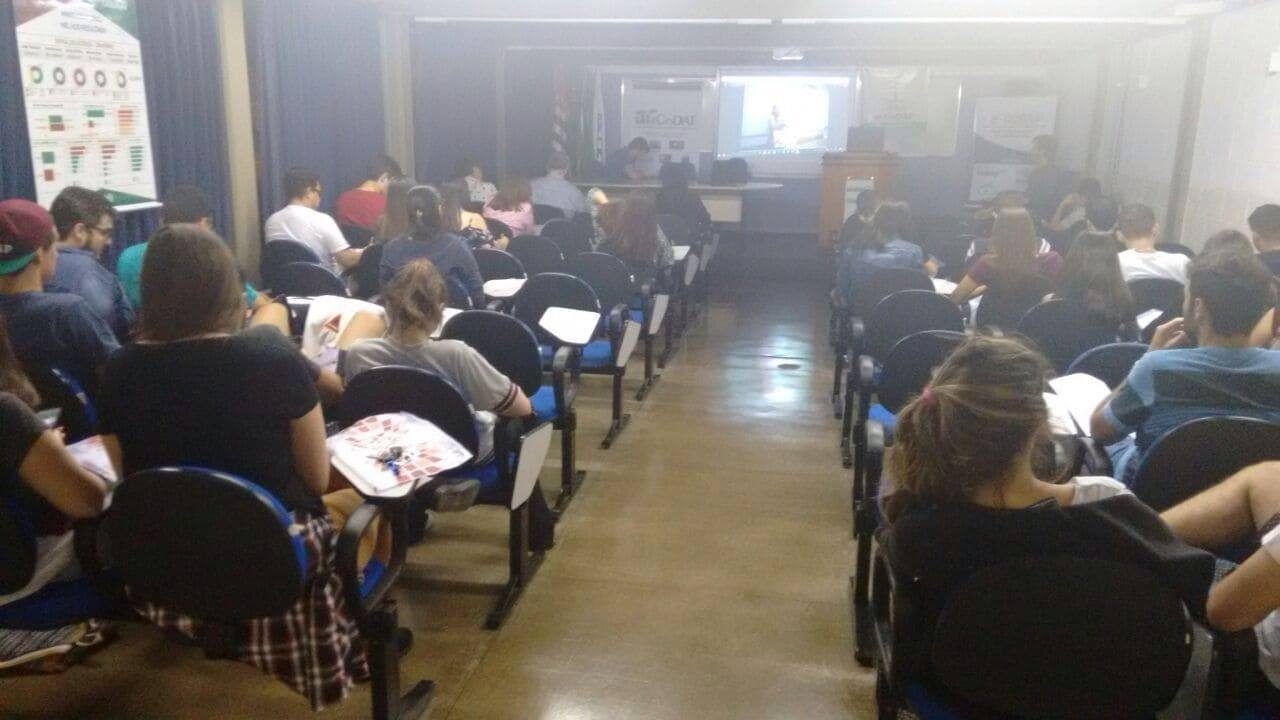
The Digital Skills for Family Farming Meeting (e-CoDAF), an annual event organized by the Digital Skills for Family Farming (CODAF) project, held its fourth edition on November 10 and 11, and shared results of theoretical and applied studies on the use of Information and Communication Technologies (ICT) in agriculture. The event was held at three hubs: Tupã - SP at the School of Sciences and Engineering of São Paulo State University (UNESP), Presidente Prudente – SP at the College of Technology of the State of São Paulo (FATEC), and Belém - PA at the Department of Archival Science of the Federal University of Pará (UFPA).
In this edition, e-CoDAF's theme was “Transforming Data into Competitive Potential for Small Producers”, and its opening remarks were delivered by the coordinator of CoDAF, Prof. Dr. Ricardo Sant'Ana, who on the occasion highlighted the main aim of supporting the small producer, and the importance of research aimed at building bridges between data and information and small producers by means of ICT.
On the first day of the event there were three talks, starting with the opening talk by researcher Pascal Aventurier (INRA/France), who shared part of his investigative research in the talk “Use of Semantic Web technologies for Agriculture: state of the art and challenges”, addressing the role of Semantic Web technologies in favor of agriculture, as well as the efforts being made jointly by several research institutes in this thematic area.
The second talk of the first day, titled “Fuzzy Rule-Based Software for Assessing the Vitality of the Orchid Catasetum Fimbriatum”, was given by Adriane Cavichiolli (FATEC/PP), and addressed Artificial Intelligence (AI) techniques, mentioning the software developed by FATEC Presidente Prudente in partnership with AgroFuzzy of UNESP/Tupã, which is considered an intelligent system.
The last talk of the first day was given by Prof. Dr. Marina Funichello, titled “Precision Agriculture (PA) for the small rural producer”. In her talk, the speaker highlighted that Precision Agriculture uses referencing and positioning technologies, such as GPS and remote sensing, to apply agricultural inputs (pesticides, fertilizers, water) in the right places and in the required amounts. Geotechnology techniques were also covered, such as the Geographic Information System (GIS), and some software tools for implementing GIS, such as ArcGIS, Spring, QGis and Farm Works, which are Geoprocessing applications serving as solutions for managing the agricultural property and guiding decision-making.
The second day of the event also had three presentations. Prof. Dr. Cristian Berrío Zapata (UFPA) gave the talk “Digital exclusion, data, technology and breaking paradigms in Family Farming”, offering reflections on the profile of small producers and how it is reflected in the use of information technologies in Latin American countries.
Continuing, Prof. Silvia Vieira (UNIFAI) gave the talk titled “ATER - Technical assistance and rural extension and its close link with sustainable rural development”, and described characteristics of the rural extension service and how communication and information sharing can contribute to the expansion and effectiveness of these activities.
To close the event, Prof. Freddy Rafael Camperos Reyes (SENA/Colombia) gave the talk “Applicability of high spatial resolution images in the early diagnosis of diseases in oil palm crops”, showing how image collection and analysis can contribute to the control of oil palm cultivation, within the precepts of Precision Agriculture.
In addition to the talks, scientific papers were also presented, showing results of research on the use of ICT for access to data and information by small rural producers, and these will be published in the Proceedings with an ISSN.
Authors: Fábio Mosso Moreira; Jacquelin Teresa Camperos Reyes; Renata Pinheiro.
The accuracy of the information on this page, as well as of the images and photographs, is the sole responsibility of the cited sources and does not necessarily reflect the opinion or position of the Digital Skills for Family Farming (CoDAF) outreach project, its collaborators or the institutions linked to the project.